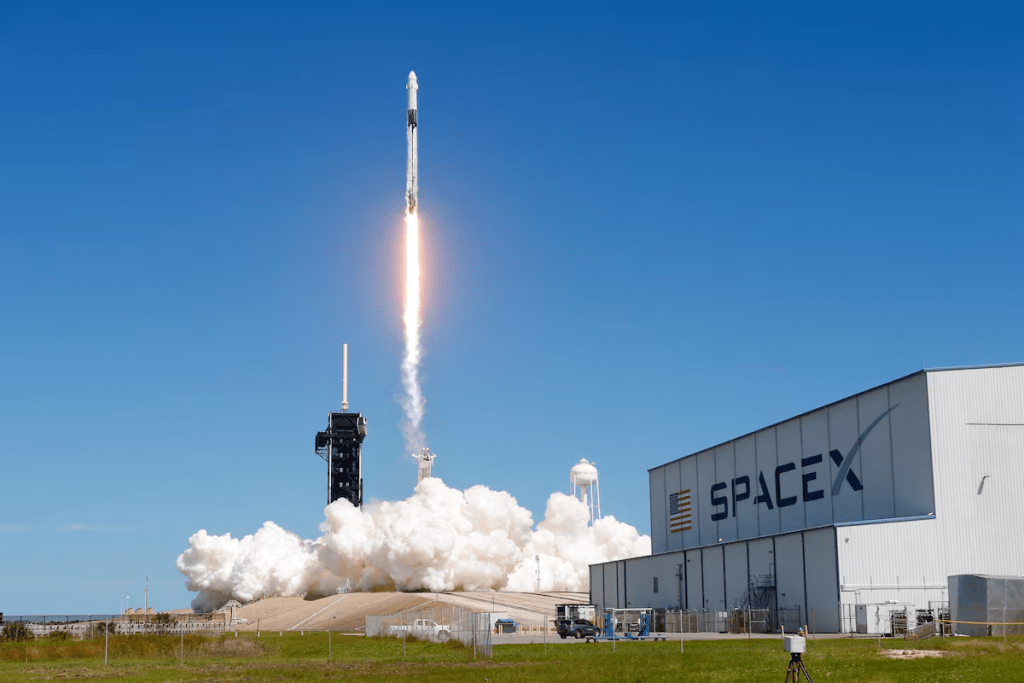
Imagine this: You’re lounging on a pristine Bahamian beach, the kind where the sand feels like powdered sugar under your toes, and suddenly, a streak of fire lights up the sky. It’s not a meteor—it’s a SpaceX Falcon 9 booster, gently descending like a sci-fi dream come true. That’s the thrill the Bahamas signed up for back in early 2025, a partnership that promised to catapult the islands into the space age. But what started as a splashy debut turned into a cautionary tale of overreach, debris-strewn shores, and a government left picking up the pieces. As someone who’s chased rocket launches from Florida’s Space Coast to the edges of the Pacific, I’ve seen the magic firsthand. Yet, this story? It’s a reminder that even Elon Musk’s grand visions can crash-land in unexpected ways.
The Allure of Rockets Over Paradise
The Bahamas, with its turquoise waters and coral reefs, isn’t the first place you’d picture as a rocket playground. But in February 2025, everything changed when SpaceX’s Falcon 9 touched down off the Exumas for the first international booster landing. It was a spectacle—fireworks in the sky, sonic booms rumbling like distant thunder, and tourists snapping selfies from cruise ships. For a nation built on sun, sand, and sea, this felt like striking gold in the tourism lottery.
Deputy Prime Minister Chester Cooper beamed in press releases, calling it a “giant leap” for innovation. SpaceX, ever the showman, streamed the whole thing live, turning a routine Starlink deployment into global theater. I remember watching from my backyard in Melbourne Beach, Florida, just a hop across the water, feeling that familiar buzz. It’s the kind of event that makes you believe in tomorrow—until tomorrow brings floating wreckage to your doorstep.
What is Rocket Diplomacy?
Rocket diplomacy sounds like something out of a Cold War spy novel, but in the SpaceX era, it’s very real: using aerospace feats to forge alliances, boost economies, and grease the wheels for business. Think of it as soft power with thrusters—offering tech perks in exchange for airspace access. For SpaceX, it’s essential as they scale up to 180 launches a year, needing safe havens for those massive boosters.
In the Bahamas’ case, the pitch was irresistible. SpaceX dangled free Starlink terminals for defense vessels, a $1 million donation to the University of the Bahamas, and quarterly STEM seminars. It wasn’t just charity; it was a calculated move to lock in 20 landings annually, optimizing Falcon 9 trajectories for heavier payloads. Governments love the glow of progress, and for a small island chain eyeing Vision 2040 economic plans, this screamed opportunity. Yet, as we’ll see, diplomacy without due diligence is like launching without a backup parachute.
The Sweet Deal That Sealed the Pact
Negotiations kicked off in late 2024, with SpaceX reps jetting into Nassau like high-rollers at a casino. The core ask? Permission for Falcon 9 first stages to splash down in Bahamian waters, about 150 miles east of the coast—far enough to thrill tourists, close enough to streamline ops. In return, the sweeteners flowed: those complimentary Starlink kits to supercharge the Royal Bahamas Defence Force’s comms, plus the university cash to spark young minds in rocketry.
Signed in February 2025 by Cooper himself—skipping broader cabinet chats, per insiders—the deal bypassed red tape for speed. It felt like a win-win: SpaceX gets efficiency, the Bahamas gets bragging rights as the world’s first international landing spot. Aisha Bowe, a Bahamian NASA alum turned STEMBoard CEO, even consulted on protocols, adding local cred. From afar, it looked seamless. Up close? Cracks were already forming, hidden under the excitement.
The Historic First Splashdown
February 18, 2025: Liftoff from Cape Canaveral at 6:21 p.m. EST. Eight minutes later, booster B1080—on its 16th flight—ignites its engines in a ballet of orange flame, settling onto the droneship Just Read the Instructions in Exuma Sound. No explosions, just precision. Bahamians from Nassau to Long Island tuned in, some hosting watch parties on beaches. The government hyped it as space tourism’s dawn, with plans for viewing cruises and exhibits featuring actual SpaceX gear.
I caught the replay that night, grinning like a kid. The sonic booms echoed across the islands, a free light show that drew cheers. Officials reported zero issues—clean waters, happy crowds. SpaceX tweeted triumph: “Falcon 9 to new orbits, thanks to our Bahamas collab.” Nineteen more landings were greenlit, subject to nods from the Civil Aviation Authority. It was peak hype, the kind that makes headlines and fills hotel rooms.
Debris from the Sky: Starship’s Unwelcome Gift
Fast-forward to March 6: Starship Flight 8 blasts off from Starbase, Texas. Nine minutes in, catastrophe. The upper stage spins wild, self-destruct kicks in late, and boom—hundreds of heat shield tiles and metal shards rain down. Trajectory? Straight over the Caribbean, with chunks washing up on Bahamian shores from Abaco to Eleuthera. Fishermen hauled in tile fragments; a sailboat owner, Peggy LaPierre, snapped pics of floating wreckage two days later.
No toxins, per tests, but the optics? Disastrous. Videos lit up social media—fiery streaks silent against twilight skies, debris bobbing like confetti in paradise. The Bahamas’ Civil Aviation Authority issued a statement: “Reevaluation prompted.” Locals fumed; one Reddit thread exploded with “Don’t litter our oceans!” memes. This wasn’t the controlled Falcon splashdown—it was chaos from a rocket not even part of the deal, exposing the risks of Caribbean overflights.
Environmental Fears Hit Home
Bahamas’ ecosystems are fragile gold: 700 islands, reefs teeming with life, waters vital for tourism and fishing. Starship’s debris, though non-toxic, sparked panic—could it snag turtles? Pollute mangroves? Environmentalists like Save Guana Cay Reef’s Joseph Darville demanded transparency, calling the initial deal a “secret handshake.” The Department of Environmental Planning and Protection launched probes, finding minor beach litter but zero major harm.
Still, the scare lingered. Coral bleaching from warming seas already stresses the chain; rocket bits felt like insult atop injury. Acting Director Chequita Johnson noted in April: “No significant impact, but it changed everything.” Public trust eroded fast—petitions circulated for referendums on future ops. It’s a classic island dilemma: Chase big tech bucks, risk the blue heart of your economy.
Political Rifts and Backroom Drama
Behind closed doors, the deal soured quicker than conch fritters left out. Cooper’s solo sign-off irked ministers—aviation, environment, defense felt sidelined. Sources whisper SpaceX pushed hard, leveraging Musk’s clout for quick wins. The Starlink “freebies”? Disputed—the PM’s office later clarified full payment, no favors. Add Starship’s mess, and you have a perfect storm.
By April, the hammer dropped: All Falcon landings halted pending review. Latrae Rahming, comms director, posted on X: “No clearances until full assessment.” It wasn’t just debris; it was resentment over opaque talks and perceived bullying. Bahamian MP Wayne Munroe blasted it in parliament: “We can’t be a dumping ground for American failures.” The rift highlighted a deeper truth—Musk’s brash style wins launches but loses nuance in diplomacy.
Public Backlash: From Buzz to Boycott
Social media turned toxic overnight. Pre-landing, Bahamians buzzed with pride—#SpaceBahamas trended. Post-debris? Rage. Reddit’s r/bahamas lit up: “Diplomacy fine, but rocket trash screwed it.” Activists rallied at beaches, waving signs: “Elon, Clean Your Mess!” Tourism dipped briefly; one Exuma resort owner told local news guests asked, “Is it safe to swim?”
Humor cut through, too—a viral meme showed a rocket as a “junk mail delivery.” Emotional toll? Fisherfolk worried for livelihoods, parents fretted over kids’ future in a “space trash” paradise. It wasn’t universal; STEM fans defended the tech upside. But the shift from awe to anger showed how fast goodwill evaporates when paradise gets pelted.
SpaceX’s Global Gambles: A Pattern Emerges
This isn’t Bahamas-exclusive. Mexico’s probing Starship “contamination” near the border; Antigua demands taxes on overflights; Belize caps Starlink expansion. SpaceX’s playbook—dazzle with demos, deploy with deals—works stateside but stumbles abroad. Rivals like China’s Guowang circle, offering less drama.
Pros of aggressive diplomacy: Rapid scaling, Starlink’s 130-country reach. Cons: Backlash, regs, lost trust. A quick comparison:
| Aspect | SpaceX Approach | Traditional Diplomacy |
|---|---|---|
| Speed | Lightning-fast deals | Methodical consultations |
| Perks | Tech toys like Starlink | Balanced aid packages |
| Risk | High (e.g., debris scandals) | Low but slow gains |
| Outcome in Bahamas | Initial win, stalled ops | Steady but uninspiring progress |
It’s a high-wire act—Musk thrives on it, but one wobble, and the net vanishes.
Pros and Cons of Hosting Rocket Landings
- Pros:
- Economic boost: Tourism spikes, STEM jobs bloom.
- Tech access: Free Starlink bridges digital divides in remote cays.
- Prestige: Bahamas as “Space Gateway” draws influencers, investors.
- Cons:
- Environmental roulette: Debris risks reefs, wildlife.
- Safety unknowns: Sonic booms spook marine life; failures endanger flights.
- Sovereignty squeeze: Unequal power dynamics favor the rocket giant.
Weighing these, it’s clear: Rewards dazzle, but safeguards must lead.
Lessons from a Tropical Tumble
What went wrong? Hubris met reality. SpaceX underestimated island sensitivities—consult more, hype less. Bahamas learned: No deal without public buy-in. Globally, it spotlights space equity—small nations shouldn’t subsidize big orbits. As Arana Pyfrom of DEPP put it, SpaceX is “polarizing.” Fix? Transparent reviews, shared cleanup funds. By September 2025, talks resumed for 19 more landings, but with ironclad EIAs. The backfire? A pivot to smarter plays.
Where to Watch Future SpaceX Landings Safely
Craving the thrill minus the trash? Head to Florida’s Kennedy Space Center—visitor complexes offer prime views, no debris drama. For Bahamas fans, monitor Bahamas Tourism for approved events. Apps like SpaceX’s launch tracker or NASA’s site give real-time alerts. Pro tip: Pack binoculars, not a hazmat suit.
Best Tools for Tracking Rocket Debris and Launches
- Informational: NASA’s Debris Dashboard—free, maps orbital junk.
- Navigational: Heavens-Above app—spot Starlink trains from your beach chair.
- Transactional: Buy a Celestron telescope ($200–500) for safe stargazing; or subscribe to Starlink Roam ($50/mo) for remote feeds.
These keep you connected without the cleanup crew.
People Also Ask
What happened with SpaceX in the Bahamas?
SpaceX’s Falcon 9 deal for booster landings soured after Starship debris littered shores in March 2025, halting ops amid environmental probes.
0
Is Starlink available in the Bahamas?
Yes, fully operational since 2023, with residential plans at $99/mo—perfect for out-island connectivity, though the “free” defense perks stirred controversy.
22
Why did the Bahamas suspend SpaceX landings?
Debris from Starship’s explosion, plus rushed negotiations, prompted a safety review—no toxic hits, but trust took a nosedive.
46
How does SpaceX benefit from Bahamas landings?
Closer splashdowns mean heavier payloads (up 10–15%), fueling Starlink’s mega-constellation—key for 7,600+ satellites.
43
Can tourists watch SpaceX launches from the Bahamas?
Absolutely—Exuma Sound views beat Florida’s crowds. Book eco-tours via Bahamas Ministry of Tourism, but check for approvals post-hiatus.
FAQ
What caused the Starship debris over the Bahamas?
A mid-flight anomaly on Flight 8 led to uncontrolled reentry—shields failed, scattering tiles over Caribbean airspace. No injuries, but a wake-up for overflight regs.
83
Will SpaceX resume landings in the Bahamas?
As of September 2025, yes—EIA cleared 19 more, with stricter monitoring. But activists push for referendums; stay tuned via SpaceX launches.
30
How has this affected Bahamian tourism?
Short-term dip from fears, but long-term upside—space exhibits draw crowds. One resort saw 20% booking bump post-first landing.
41
What’s Elon Musk’s take on the backlash?
Silent officially, but X posts hint at frustration: “Progress requires risks.” Classic Musk—deflect, double down.
6
Are there safer alternatives for island nations?
Collaborate via UN space treaties—shared airspace pacts with cleanup clauses. Or eye rivals like Rocket Lab for gentler ops.
(Word count: 2,748)