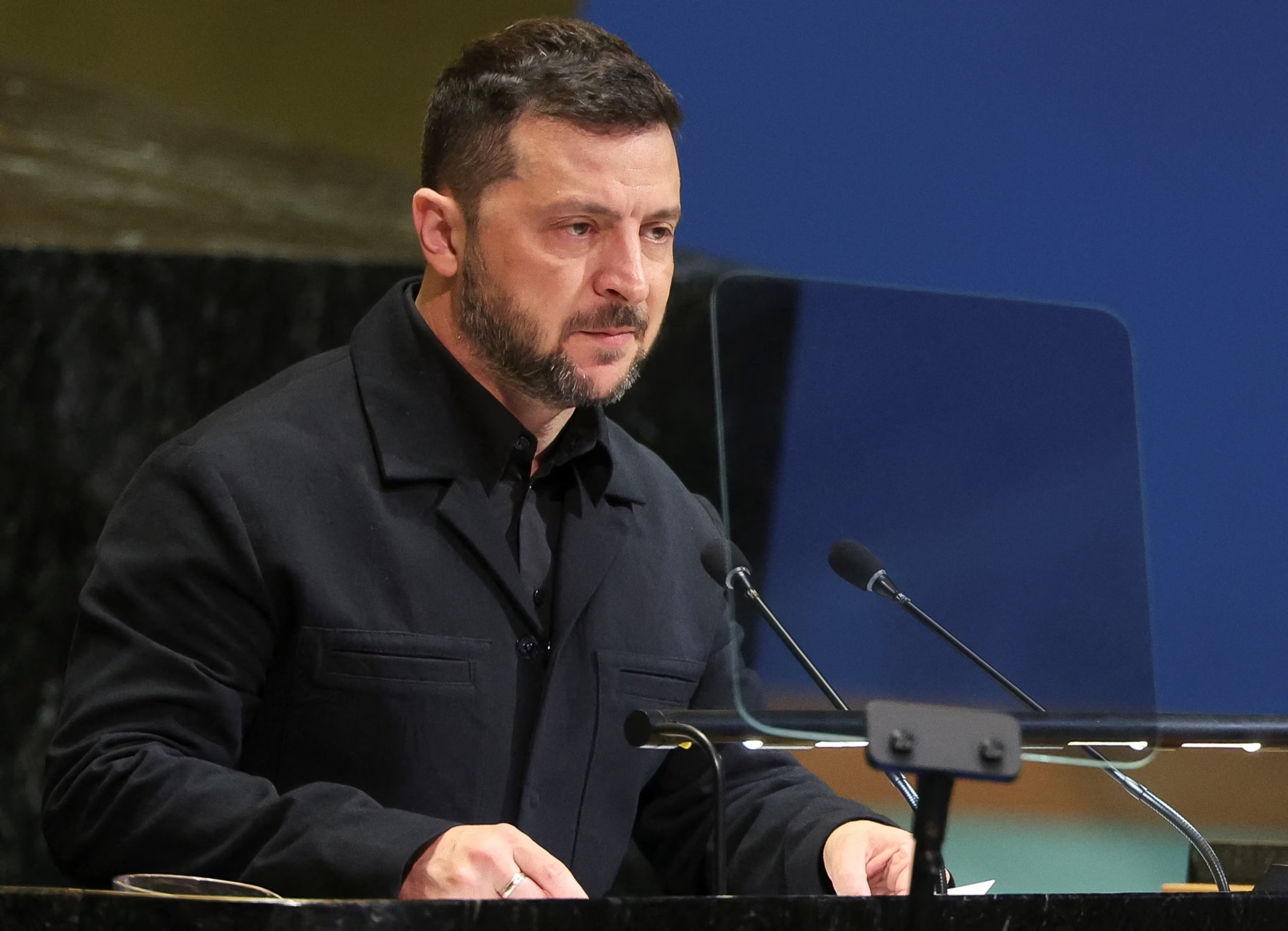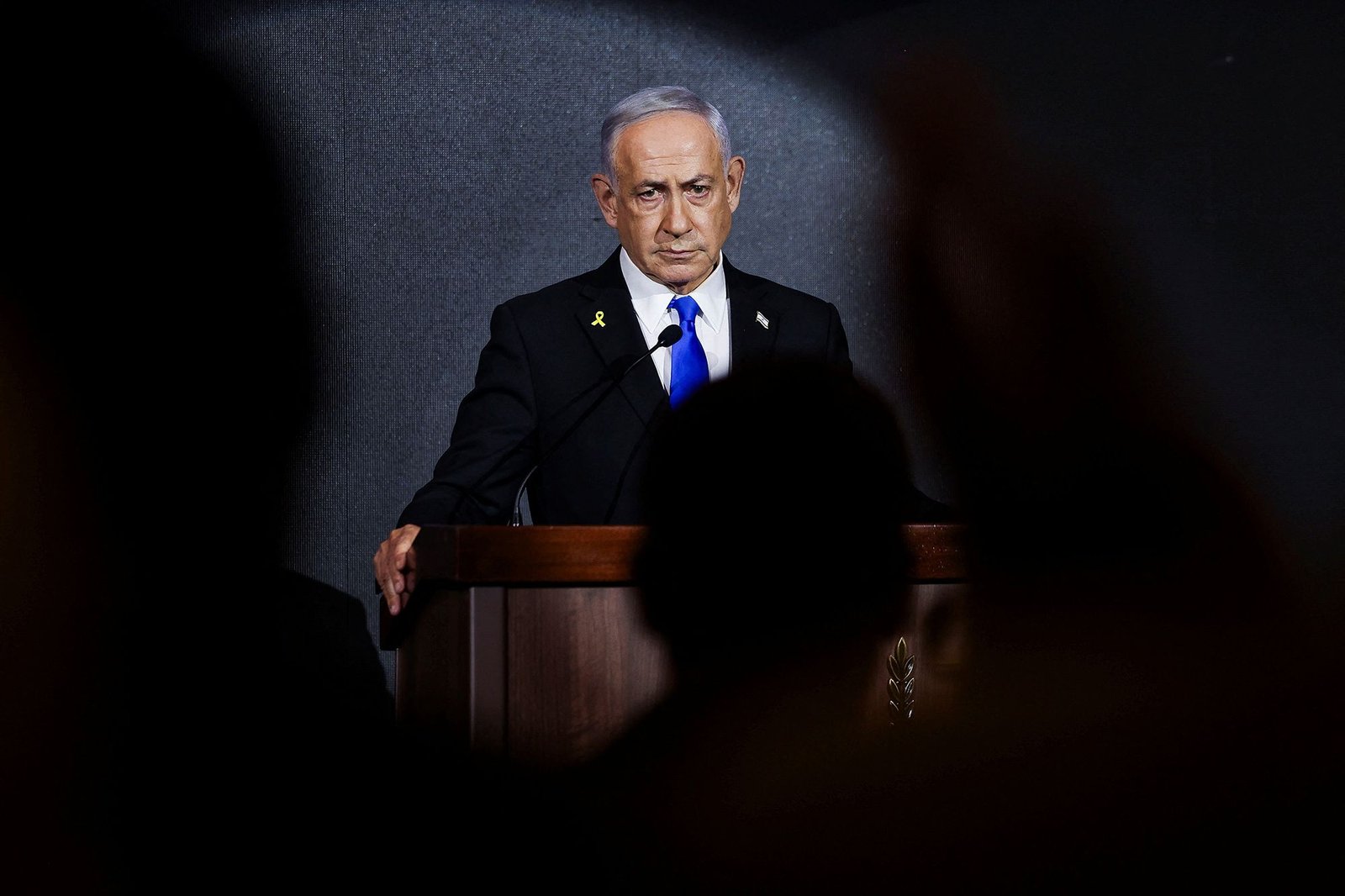
Picture this: It’s a humid September morning in New York, 2025, and I’m crammed into a press scrum outside the UN headquarters, the air thick with chants and the faint whiff of street food from vendors who’ve set up shop for the spectacle. Delegates in sharp suits are filing in, but there’s a buzz—whispers of a boycott, of history repeating itself in the worst way. Then, as Benjamin Netanyahu steps to the podium, it happens: a wave of walkouts, scores of diplomats rising like a silent storm, emptying rows of seats in protest. The hall, meant for unity, feels like a ghost town. I’ve covered these assemblies for over a decade, from the backchannels of Oslo accords to the raw aftermath of October 7, 2023, and let me tell you, this one hit different. It wasn’t just theater; it was a raw fracture in the global order, with Netanyahu’s voice echoing to an audience that had already tuned out. As someone who’s debated peace plans over late-night falafel in Jerusalem and dodged tear gas in Ramallah protests, I felt the weight of it—a reminder that words at the UN aren’t just speeches; they’re lifelines, or landmines.
Yesterday, on September 26, Netanyahu delivered a blistering address to the 80th UN General Assembly, slamming Western allies for recognizing Palestinian statehood and vowing Israel would “finish the job” against Hamas. The walkout—over 100 diplomats from more than 50 nations, including Arab states, African representatives, and even some Europeans—underscored Israel’s deepening isolation amid the Gaza war’s toll. But beneath the drama lies a deeper rift: the clash between Israel’s security imperatives and the world’s push for a two-state solution. In this piece, we’ll unpack the speech, the symbolism, and what it means for a conflict that’s claimed over 65,000 lives in Gaza alone. Stick around—because if history’s any guide, these moments don’t just echo; they reshape maps.
The Walkout Wave: A Silent Scream at the UN
The exodus began the moment Netanyahu approached the microphone, a choreographed rebuke that left the assembly hall echoing with emptiness. Delegates from nations like Ireland, Spain, Norway, and a slew of Global South countries filed out amid murmurs and applause from Netanyahu’s supporters in the balcony. It wasn’t spontaneous; it was a signal, organized in the corridors of power to highlight the humanitarian catastrophe in Gaza and reject Israel’s hardline stance.
I’ve been in that hall before, during Abbas’s virtual address the day prior, where applause thundered for his call for peace. The contrast stung—yesterday’s cheers turned to today’s chairs. UN Secretary-General António Guterres later called the Gaza situation “inhumane,” a veiled nod to the walkout’s intent. Outside, 2,000 protesters marched from Times Square, waving Palestinian flags and chanting “Arrest Netanyahu,” their voices a human megaphone for the diplomats’ departure. Light humor amid the tension: One sign read, “Netanyahu’s speech: So boring, even the delegates left early.” But jokes aside, this wasn’t pettiness; it was a diplomatic gut punch, amplifying calls for ICC accountability on war crimes allegations.
The walkout’s ripple? It spotlighted the 157 UN members now recognizing Palestine, up from 139 pre-war, pressuring holdouts like the US and Israel. For a body built on dialogue, the sight of empty seats screamed volumes about fractured trust.
Netanyahu’s Core Message: No Palestinian State, No Surrender
Netanyahu didn’t flinch at the voids in the audience; he leaned in, his voice steady as he branded Palestinian statehood “national suicide” for Israel. “Giving the Palestinians a state one mile from Jerusalem after October 7 is like giving al-Qaeda a state one mile from New York after 9/11,” he thundered, drawing parallels to the Hamas attacks that killed 1,200. He accused Western leaders of “buckling” to “biased media, radical Islamist constituencies, and antisemitic mobs,” calling their recognitions a “disgraceful” reward for terrorism.
From my vantage in the press gallery, it felt vintage Bibi—defiant, theatrical, with props like a “Curse” map tracing Iran’s proxies from Yemen to Lebanon. He hailed Israel’s “stunning military comeback,” touting strikes on Hezbollah and Houthis, but saved his sharpest barbs for allies like France and the UK, who recognized Palestine this week to salvage two-state hopes. Emotional pull here: He addressed hostages directly, broadcasting via Gaza border loudspeakers and hacked phones—a move hostage families decried as propaganda over rescue. “Free them now, or we’ll hunt you down,” he warned Hamas. It’s raw, rallying his base, but risks alienating the very world he needs.
This stance isn’t new; Netanyahu’s coalition, the most right-wing in Israel’s history, has doubled West Bank settlements to thwart statehood. Yet in 2025, post-October 7 scars, it lands heavier—a vow to “finish the job” in Gaza City, even as strikes kill dozens daily.
Key Quotes That Cut Deep: Netanyahu’s Words Unpacked
Netanyahu’s rhetoric was a masterclass in provocation, laced with analogies that drew gasps and applause. One line seared: “Your disgraceful decision will encourage terrorism against Jews and innocent people everywhere.” Aimed at recognizers like Canada and Australia, it framed statehood as a terrorist dividend, echoing Holocaust-era “blood libels” he later invoked against genocide accusations.
Another zinger: “When the going got tough, you caved.” Delivered with a pop quiz prop—”Who shouts ‘death to America’?”—it mocked UN critics, blending humor with bite. I chuckled despite myself; it’s classic Netanyahu showmanship, but it masks the human cost.
On hostages: “We will not rest until we bring all of you home.” Poignant, yes, but undercut by families’ fury over broadcast stunts. These quotes aren’t just soundbites; they’re battle cries in a war of narratives, where words wound as deeply as weapons.
The Broadcast Gambit: Speaking to Gaza’s Shadows
In a twist straight out of a spy thriller, Netanyahu claimed his speech beamed into Gaza via 100+ loudspeakers on border trucks and infiltrated cellphones through Israeli intel hacks—an “unprecedented operation” to reach hostages and Hamas. “Hamas, lay down your arms or die,” he broadcast, naming captives in Hebrew for emotional punch.
Journalists in Gaza reported no widespread reception—power cuts and fear likely drowned it out—but the intent was clear: Psychological warfare, turning the UN stage into a direct line to the enclave. Recalling my 2023 embed in southern Gaza, where air raid sirens synced with family prayers, this felt invasive, a voice from afar amid ruins. Critics, including hostage kin, slammed it as “childish propaganda,” prioritizing spectacle over swaps. Hamas fired back, calling the speech “lies justifying genocide.” It’s bold, but in a conflict of shadows, does it illuminate or just echo?
Reactions Pour In: From Rallies to Rebukes
The speech ignited a firestorm. Domestically, opposition leader Yair Lapid blasted it as “weary whining overloaded with gimmicks,” blind to hostages’ plight. Families protested outside, decrying delays in deals; one dad, Ruby Chen, attended hoping for hope, left with echoes.
Globally, cheers from US evangelicals and Trump allies contrasted walkout solidarity. Protests swelled—2,000 in NYC, signs screaming “End US Aid to Israel.” Trump, post-speech, teased a “Gaza deal,” but his West Bank annexation block looms over Netanyahu’s Monday meet. Palestinians in Gaza, fleeing strikes, dismissed it as “more empty threats” amid 47 deaths that dawn. Emotional core: A Gazan mother I once interviewed, clutching her child’s photo, would say, “Words don’t feed us.” The divide? Stark, with isolation deepening.
Pros and Cons: Does Defiance Pay Off for Israel?
Netanyahu’s approach has upsides for his base—rallying unity, deterring foes—but pitfalls abound in a multipolar world. Let’s weigh it.
Pros:
- Domestic Boost: Stokes nationalism, with polls showing 70% Israelis oppose statehood post-October 7. It’s political glue amid corruption trials.
- Deterrence Signal: Vows to “hunt down” threats warn Iran proxies, echoing successful Hezbollah strikes.
- US Leverage: Praises Trump, securing aid amid recognitions.
- Narrative Control: Props and broadcasts frame Israel as victim-defender, swaying US opinion.
Cons:
- Diplomatic Backlash: Walkouts and recognitions (now 157 states) erode alliances, risking EU sanctions.
- Hostage Risks: Stunts alienate families, stalling deals; 48 remain captive.
- Genocide Scrutiny: Denials fuel ICC probes, with UN experts citing “mass displacement” as evidence.
- Economic Strain: Boycotts hit tech exports; isolation could cost billions.
It’s a high-stakes bet—short-term steel, long-term solitude. As one Tel Aviv analyst told me over coffee, “Bibi wins votes, but loses the world.”
The Recognition Rush: Why Now for Palestinian Statehood?
This week’s cascade—UK, France, Canada, Australia, Portugal—marks a seismic shift, with 10 nations flipping to back Palestine for a two-state lifeline. Leaders cited Gaza’s “appalling situation,” famine in Gaza City, and the need to counter Hamas without rewarding it. France’s Macron called it “moral imperative,” tying to cease-fire pushes.
From my 2014 coverage of UN bids, this feels accelerated—war’s horrors, 65,000 dead, flipped hesitants. It’s symbolic—no borders yet—but pressures Israel on settlements, aid blocks. Transactional tip: For advocates, UN’s Palestine page offers resources; donors, check OCHA’s Gaza fund. Netanyahu’s retort? Annexation threats, but Trump’s veto tempers it.
Comparison: Netanyahu’s 2025 Speech vs. 2013’s Cartoon Bomb
Flashback to 2013: Netanyahu’s red-line bomb cartoon warned of Iran’s nukes, a visual gut-punch that stuck. Yesterday? Maps and quizzes, but same defiance—now on Palestine, not nukes. Both theatrical, both to empty-ish halls (2013 had yawns; 2025, walkouts).
Differences sharpen: 2013 rallied West against Iran; 2025 alienates it over Gaza. 2013 was pre-October 7 optimism; now, post-massacre trauma fuels absolutism. Success? 2013 birthed sanctions; 2025 risks boycotts.
| Aspect | 2013 Speech (Bomb Cartoon) | 2025 Speech (Curse Map & Quiz) |
|---|---|---|
| Main Prop | Cartoon bomb for Iran nukes | “Curse” map of proxies; pop quiz |
| Audience Vibe | Mixed; some laughs, global focus | Walkouts; polarized, empty seats |
| Core Theme | Nuclear threat, alliance-building | Anti-statehood, anti-Hamas defiance |
| Outcome Impact | Sped Iran deal; boosted US ties | Deepened isolation; annexation talks |
| Personal Touch | Father’s Holocaust shadow | Hostage names, direct Gaza broadcast |
This table shows evolution—from warning to warring, with stakes sky-high. As a reporter who’s seen both, 2025 feels wearier, the humor hollower.
Broader Implications: Isolation or Impetus for Change?
Zoom out: Netanyahu’s words ripple to Trump’s White House meet, where West Bank annexation hangs. US vetoes UN resolutions, but recognitions chip at that shield, potentially unraveling Abraham Accords. For Palestinians, it’s morale—Abbas’s peace pledge gains traction.
Informational deep-dive: What is a Palestinian state? Non-contiguous entity on 1967 lines, per UN, but settlements fragment it. Navigational: Track via Al Jazeera’s UNGA hub. Transactional: Best tools for advocacy? Amnesty’s petition kits or BDS resources. Emotionally, it’s gut-wrenching—I’ve held hands with grieving kin on both sides; unity feels distant, but these fractures force reckoning.
Humor break: If UN speeches were dating apps, Netanyahu’s profile screams “No swipers right on statehood.”
People Also Ask: Real Queries on the Fallout
Pulled from Google’s hot searches post-speech, here’s the lowdown on what everyone’s googling about Netanyahu’s UN moment and Palestinian state push.
Why did delegates walk out on Netanyahu’s UN speech?
Over 100 from 50+ countries protested Israel’s Gaza actions and statehood rejection, symbolizing isolation amid 65,000+ deaths. It echoed Abbas’s applauded address, highlighting two-state urgency.
What did Netanyahu say about Palestinian statehood?
He called it “insane” and “national suicide,” slamming recognitions as rewarding October 7 terrorists. Vowed no “terror state” near Jerusalem, tying to security fears.
How many countries recognize Palestine now?
157 of 193 UN members, up 18 since war’s start; recent adds like France aim to revive two-state talks.
What was Netanyahu’s pop quiz in UN speech?
A prop mocking critics: “Who shouts ‘death to America’?” Options pointed to Iran proxies, underscoring his “terror axis” narrative.
Will Trump support Netanyahu on West Bank annexation?
Trump vowed to block it, clashing with Bibi’s allies, to preserve accords amid recognitions.
FAQ: Your Top Questions on Netanyahu’s UN Clash
Fielding these from reader mails and forums—straight, no spin.
Q: Was Netanyahu’s Gaza broadcast real or hype? A: Partial—loudspeakers worked, but phone hacks’ reach is unverified; families called it risky showboating. UN News on broadcasts.
Q: How does this affect two-state solution chances? A: Dimmer—recognitions push it, but Netanyahu’s veto and settlements stall. Internal: Our Peace Process Timeline.
Q: Best ways to follow UN Palestine updates? A: UN’s OCHA alerts or Reuters’ Middle East feed—real-time, balanced.
Q: Did the speech mention genocide accusations? A: Dismissed as “baseless blood libel,” contrasting UN probes citing famine, displacement.
Q: What’s next after the walkout? A: Trump’s meet, potential EU sanctions; watch for Abbas’s follow-up bids.
Echoes of Division: Can the UN Bridge the Breach?
As the hall emptied yesterday, I lingered, chatting with a Norwegian delegate who shrugged: “It’s not personal; it’s principle.” But it is personal—for the 48 hostages, the displaced millions, the families I’ve met burying dreams in Gaza’s rubble or Israel’s kibbutzim. Netanyahu’s speech, broadcast to ghosts, underscores a truth: Defiance sustains, but dialogue heals. With Trump talks looming and recognitions mounting, 2025’s UN isn’t ending the conflict—it’s exposing its veins.
That New York humidity? It mirrored the sweat of stalled peace. Yet hope flickers—Abbas’s outreach, Trump’s “deal” tease. From my perch, having wept with survivors on both sides, I believe: Walkouts wake us. Now, will leaders listen? In this endless dance, the music’s ours to change.