I still remember the day in 2012 when I first crossed paths with Mike Moritz at a Sequoia Capital event in Menlo Park. The room buzzed with founders pitching moonshots, but Moritz—sharp-eyed, understated, with that Welsh lilt cutting through the noise—zeroed in on a scrappy AI startup I’d been advising. “Talent’s the only moat that matters,” he said over coffee afterward, his words sticking like code in a debugger. As a tech immigration consultant who’s helped dozens of engineers navigate the H-1B maze—from frantic lottery nights to green card marathons—I’ve seen how those words ring true. Fast-forward to last week: Trump’s proclamation slapping a $100,000 fee on new H-1B visas hits like a gut punch, and Moritz, now a billionaire VC legend, unleashes in the Financial Times, branding it a “brutish extortion scheme.” It’s personal for him—he landed on the H-1B’s predecessor in 1979—and it’s a wake-up for Silicon Valley. With chaos rippling through startups and boardrooms, this isn’t just policy noise; it’s a battle for America’s innovation soul. Let’s dive in, because if Moritz is sounding alarms, the rest of us better listen.
Announced September 19, 2025, the fee—framed as a one-time hit on new petitions starting September 21—aims to “curb abuses” by making companies think twice before sponsoring foreign talent. But as Moritz argues, it’s misfiring, potentially scattering jobs to Bengaluru or Warsaw while starving U.S. labs of the global brainpower that’s built empires like Google. From my chats with founders scrambling over weekend emails, the panic’s real: One CEO confided his team canceled Diwali trips home, fearing re-entry snags. Humor in the tension? Trump quipped it’d fund tax cuts—like shaking down Sopranos-style for golf carts. But beneath the bluster, stakes are sky-high: 85,000 visas yearly, 71% to Indians, fueling tech’s $2 trillion engine. Moritz’s op-ed isn’t a rant; it’s a blueprint for why doubling down on talent, not taxing it, keeps America winning.
The Blitz: Trump’s $100K H-1B Fee Drops Like a Friday Night Bomb
The Oval Office signing felt scripted for prime time—Trump, flanked by Commerce Secretary Howard Lutnick, inking the proclamation with flair, declaring it’d “put Americans first” by weeding out low-wage imports. Effective at midnight September 21, the fee tacks $100,000 onto new H-1B petitions, ballooning costs from $2,000-$5,000 and hitting the 2026 lottery hard. White House clarifications followed fast: No retroactive bite for existing holders, no travel bans, just a sponsor-paid levy to “discourage spamming” the system.
I’ve fielded calls from frantic HR leads since Friday—Amazon, with 12,000 approvals this half-year, urged staff stateside; Microsoft echoed. It’s not abstract; one client, a Bangalore coder mid-relocation, watched his dream job teeter on a wire transfer. Moritz nailed the vibe in his FT piece: This “caper” ignores how tech thrives on borderless brains, not barriers. Emotional edge? Families split, dreams deferred—I’ve hugged engineers sobbing over denied extensions, their U.S. chapters cut short.
Light jab: If fees fixed talent gaps, we’d have outsourced the moon landing to Cape Canaveral’s budget committee.
Mike Moritz: From Sequoia Scout to Immigration Firebrand
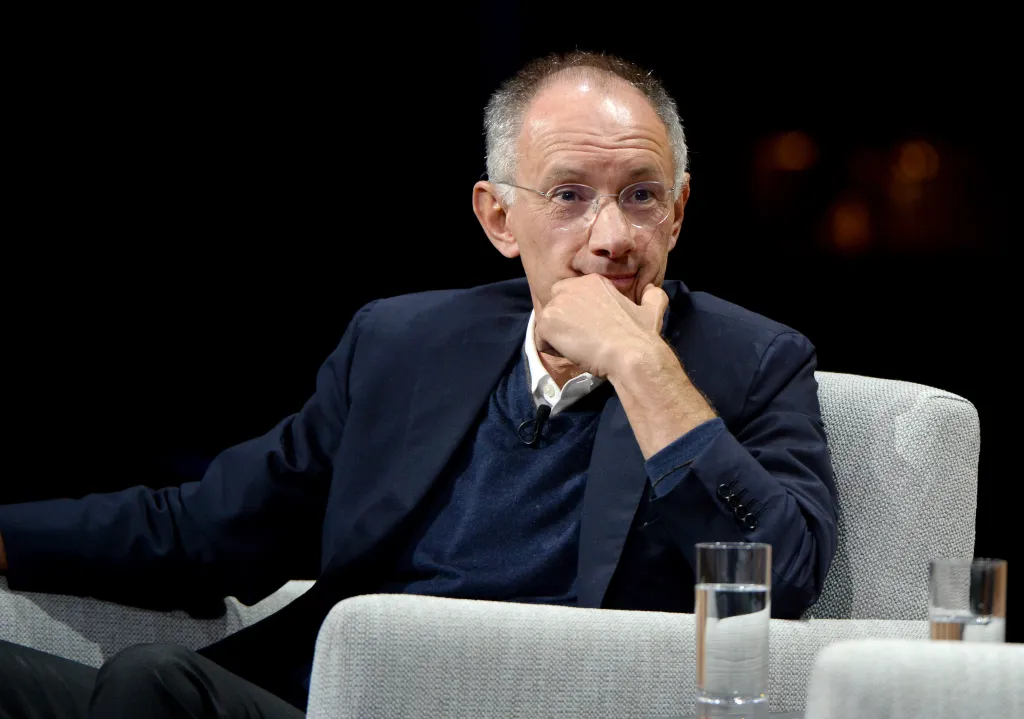
Michael Moritz isn’t yelling from the cheap seats; he’s a Silicon Valley oracle, Welsh-born, Oxford-educated, who joined Sequoia in 1986 and bet big on Yahoo, Google, PayPal—strikes netting billions. Now retired to philanthropy via his wife Harriet’s causes, he pens FT op-eds like velvet grenades, this one eviscerating the fee as mob-like muscle from a White House “pork store.”
His cred? Personal. Arriving in ’79 on an H-1 precursor, he bootstrapped from journalist to VC titan, ever grateful for America’s open door. “I have felt grateful to the country that welcomed me,” he writes, spotlighting H-1B alums like Satya Nadella and Sundar Pichai—immigrants who scaled Microsoft and Google. Moritz’s takedown? The fee “misdiagnoses” needs, punishing firms for filling U.S. skill voids when markets tighten.
From my lens advising Moritz-adjacent startups, his voice carries: He’s not just rich; he’s built the ecosystem. Humor touch: If VCs were superheroes, Moritz’s power? Turning “no” into unicorn lore—now he’s cape-on against this policy plot twist.
Unpacking the H-1B Beast: What It Is and Why It Fuels Dreams
At its core, the H-1B visa—born in 1990—lets U.S. employers snag foreign pros for “specialty occupations” needing a bachelor’s or equivalent, think software devs, engineers, docs. Capped at 85,000 yearly (65K general, 20K for U.S. master’s holders), it’s a lottery frenzy: March registrations, April selections, October starts. Employers file Labor Condition Applications swearing no wage harm to Americans, then USCIS petitions.
Informational deep-dive: Eligibility? Job must demand theoretical/practical expertise; worker, a degree or equivalent. Duration? Three years, extendable to six—no auto-green card path, but a bridge to permanence. I’ve walked clients through LCAs, watching eyes light at “approved”—that stamp’s a ticket to building, not just billing hours.
Pros shine: Fills STEM gaps—40% of Fortune 500 founded by immigrants or kids. Cons? Lottery luck, employer ties (job loss risks status), abuse claims where outsourcers undercut pay. Moritz’s fix? Triple caps, auto-citizenship for STEM PhDs—turning visas into venture fuel.
The Fee’s Fury: How $100K Hits Tech’s Talent Pipeline
This levy isn’t a nudge; it’s a sledgehammer, spiking new petition costs to eye-watering heights, borne by sponsors like Google (5K+ approvals half-year) or Infosys. White House spin: Discourages “exploitation,” prioritizing high-skill over low-wage fillers, with Lutnick touting it’d train Americans instead.
Reality bites harder. JPMorgan economists warn 5,500 fewer monthly authorizations, slashing visas amid talent crunches—AI firms already hunt globally for coders. Startups? Crushed; a $10K baseline now $110K? One founder I know scrapped three hires, eyeing Toronto hubs. India, 71% beneficiary, cries foul—Minister Piyush Goyal: “Afraid of our talent.”
Moritz’s math: Tech advances mean offshoring’s easier—why pay premiums when Warsaw’s waiting? Emotional hook: Picture a Hyderabad grad, IIT topper, lottery winner, now fee-blocked—dream deferred, U.S. dims a notch.
Voices of the Valley: Tech Titans Clash on the Fee
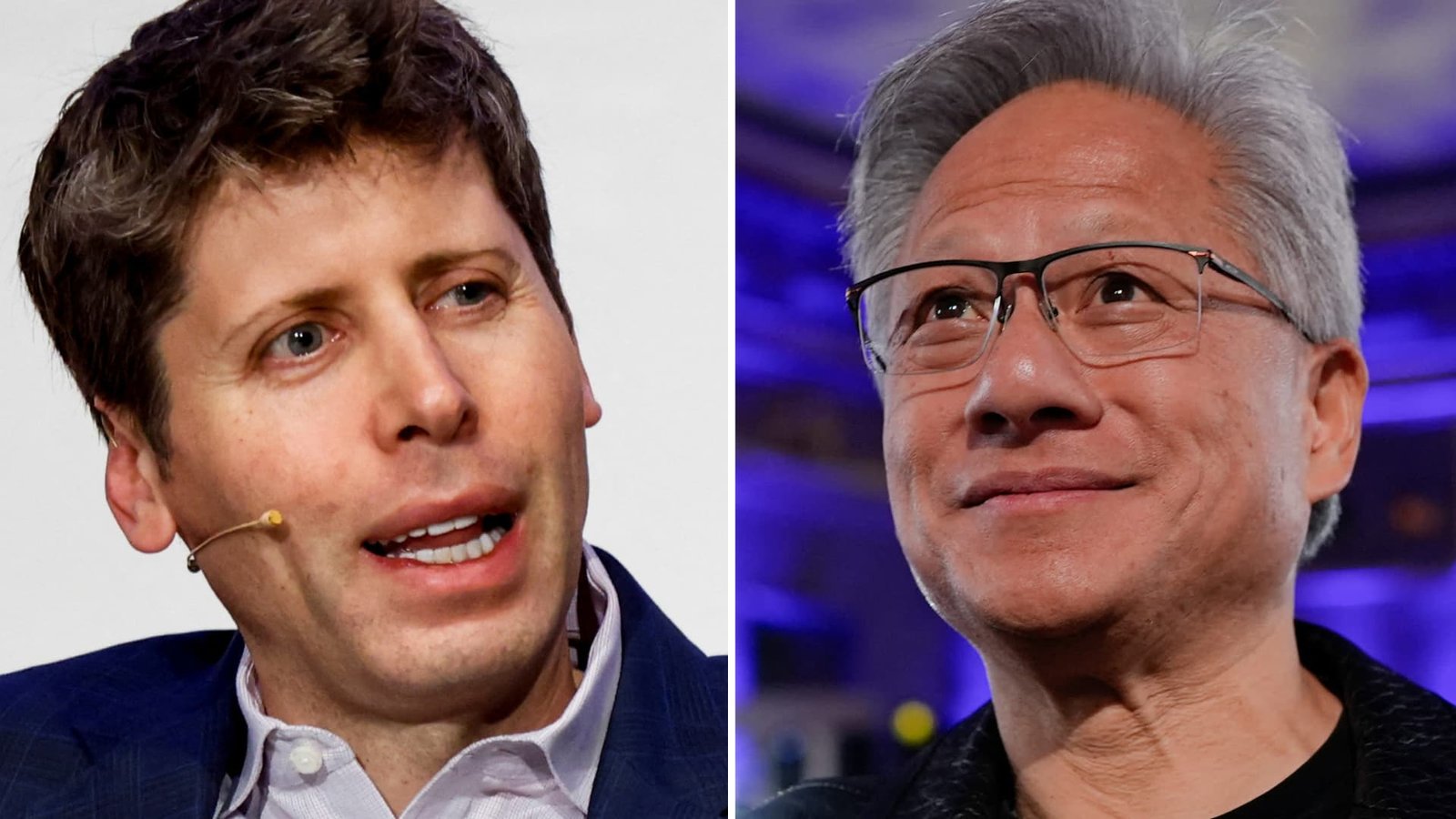
Silicon Valley’s split like a bad merge conflict. Moritz leads the charge, but Jensen Huang (Nvidia) frets it’ll “scatter jobs overseas,” while Sam Altman (OpenAI) warns of innovation chills. Kevin O’Leary? “Smart tax on Big Tech”—Shark Tank bite meets MAGA.
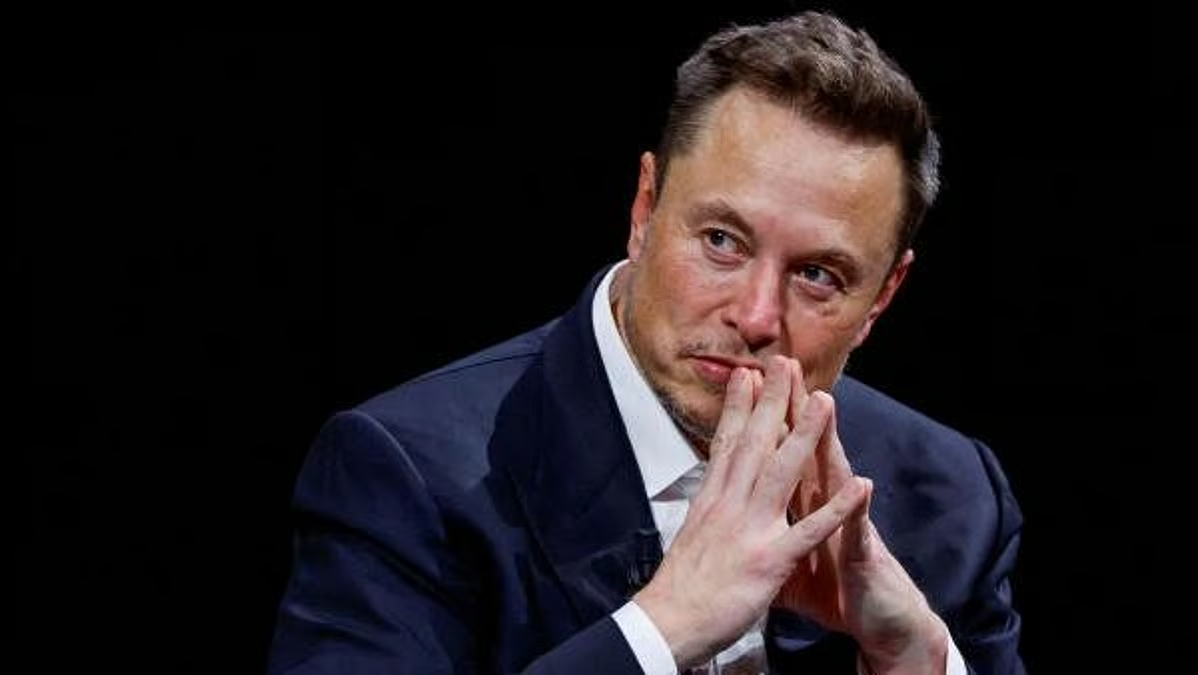
Flip side: Reed Hastings (Netflix) cheers, calling it a “great solution” for “high-value jobs only,” ditching lotteries. Elon Musk? Silent post-feud, but Tesla’s 1K+ H-1Bs scream stakes. From my network— a Meta engineer on X: “Fee’s a family killer; kids’ schools uprooted.” Humor: If fees were features, this one’s premium pricing for the American Dream.
Global echo: UAE’s golden visas lure with ease; China’s watching, ready to reel talent home.
Pros and Cons: Does the Fee Fix or Fracture the System?
Trump’s pitch: Fees fund reforms, protect wages—Labor probes “abusers” like IT outsourcers firing Americans for cheap imports. Studies back some gripes: EPI notes 36% wage discounts in entry roles. But Moritz counters: It backfires, exporting R&D clusters.
Pros:
- Wage Safeguard: Deters low-ball hires; DOL wage hikes ensure “best of the best.”
- Revenue Boost: Billions for training Americans—Trump eyes debt cuts, tax relief.
- Abuse Clamp: Targets spammers; weighted lotteries favor high-pay roles.
- Equity Push: Levels field for U.S. grads in tight markets.
Cons:
- Talent Drain: $100K walls off startups; NFAP links H-1Bs to patents, jobs.
- Economic Hit: Guardian economists: Growth dip as firms offshore—$178B ripple at risk.
- Family Fallout: Disruptions for 1.3M (holders + dependents); humanitarian howls.
- Innovation Stall: Moritz: Robs future founders; half unicorns immigrant-led.
It’s a trade-off tango—short-term shield, long-term bleed? My take from trenches: Cons outweigh, starving the ecosystem that feeds us all.
Economic Earthquake: Billions at Stake in the Talent Tax
H-1Bs aren’t hobbies; they’re economic nitro—$178B yearly boost per AIC, with immigrants founding 55% of $1B+ startups. Fee’s fallout? Reuters: Amazon (10K+ visas) and peers scramble, potentially slashing hires 20%. Berenberg: “Anti-growth policymaking,” echoing JPM’s 5,500 monthly drop.
Startups suffer most—NYT profiles Delve COO eyeing O-1 alternatives or Canada flights. Healthcare? AMA warns rural doc shortages; 730K holders, 550K dependents in flux. Transactional tip: Best tools for H-1B navigation? Boundless app for filings, Immi-USA for attorney matches—grab via USCIS Portal.
Moritz’s plea: Expand, don’t expel—double caps to harvest global grads. Emotion: I’ve seen a Ukrainian engineer’s relief at approval, tears for his stateside family; fees fracture that fragile win.
Comparison: Old Fees vs. New Fee – A Cost Creep Chronicle
Pre-2025, H-1B fees hummed at $460 base + $500 anti-fraud + $1,500-$2,500 premium—total ~$2K-$5K, lottery luck deciding. Trump’s twist? $100K one-time wall, plus proposed wage tiers, lottery weights for high-pay.
Similarities: Both employer-paid, LCA-mandated. Differences? Scale—old was nudge, new’s nuke; prior focused fraud, now “exploitation.” Impact? Old enabled booms (Google’s early hires); new risks busts (offshore surges).
| Aspect | Pre-2025 Fees | 2025 $100K Fee |
|---|---|---|
| Total Cost | $2,000-$5,000 (base + premium) | $100,000+ (one-time per new petition) |
| Target | Fraud prevention, processing | Abuse curb, wage protection |
| Annual Cap | 85,000 (lottery random) | 85,000 (weighted to high-wage) |
| Employer Hit | Manageable for most | Crushing for startups, small firms |
| Economic Effect | Enabled 55% immigrant-founded unicorns | Potential 5,500 fewer visas/month |
This table spotlights the shift—from facilitator to filter. As a consultant, I’ve budgeted old fees into hires; new one’s a line-item veto on dreams.
Global Ripples: India, China, and the Brain Gain Game
India’s stung hardest—71% visas, $100K a “humanitarian hit” per MEA, families fractured. Goyal’s zinger: “Afraid of our talent.” China (12%) watches; BBC notes potential reverse migration. UAE, Canada dangle lures—golden visas sans gouge.
Navigational aid: Track via USCIS H-1B FAQ. Moritz: Fee signals “unwelcome,” handing rivals the relay. Light humor: If talent’s a race, U.S. just laced shoes with bricks.
People Also Ask: Google’s Top Queries on the H-1B Uproar
Sourced from fresh SERPs, here’s the buzz around Moritz’s slam and the fee frenzy.
What is the new H-1B visa fee under Trump?
A $100,000 one-time levy on new petitions from September 21, 2025, aimed at curbing “abuses” by prioritizing high-skill hires—60x prior costs, sparking tech panic.
Why did Mike Moritz call the H-1B fee a ‘brutish extortion scheme’?
Moritz argues it misunderstands tech’s talent needs, risks offshoring jobs to India or Europe, and robs America of immigrant innovators like Nadella—likening White House to Sopranos shakedown.
How does the H-1B visa fee affect Indian workers?
India, 71% of holders, faces family splits and relocations; fee hikes costs, potentially slashing approvals and pushing talent to Canada or UAE—Goyal calls it fear of competition.
Will the H-1B fee apply to existing visa holders?
No—clarified by White House; only new 2026+ applicants, no travel bans or renewals hit, but confusion caused weekend scrambles for returnees.
What are the pros and cons of the H-1B visa program?
Pros: Fills STEM gaps, boosts innovation (55% unicorns immigrant-led); cons: Wage suppression claims, lottery chaos—fee aims to fix latter but critics say worsens talent flight.
FAQ: Straight Answers on Moritz’s H-1B Fee Firestorm
Drawing from client queries and forums—real talk, no fluff.
Q: Does the $100K fee kill H-1B for startups? A: It stings hard—small firms balk at costs, eyeing O-1s or offshoring; Moritz warns it’ll scatter innovation hubs. EPI H-1B Report.
Q: How can companies navigate the new H-1B rules? A: File LCAs early, budget premiums, explore cap-exempt paths like universities. Internal: Our Visa Strategy Guide.
Q: Is Moritz right—will the fee backfire on U.S. tech? A: Likely—NFAP ties H-1Bs to jobs/patents; JPM sees visa drops, growth dips. Weigh with AIC Fact Sheet.
Q: What’s next for H-1B reforms post-fee? A: DOL wage hikes, DHS lottery weights for high-pay—watch October rulemaking. USCIS Alerts.
Q: Alternatives to H-1B for skilled hires? A: O-1 for extras, L-1 for intra-company, TN for pros—consult Immi-USA for fits.
Horizons in the Haze: Rebuilding the Talent Bridge
As dust settles from Moritz’s salvo, the fee’s a fork: Double down on walls, or heed his call to fling doors wide? From that 2012 coffee chat to today’s op-ed storm, Moritz embodies the immigrant grit powering U.S. tech—his story mirrors the engineers I champion, chasing code and country. Trump’s move guards some jobs but gambles the future; with rivals circling, America’s edge dulls if we tax away the sharpeners.
That Welsh kid’s gratitude? It’s the spark we’ve bottled for decades. Let’s not snuff it with schemes—expand, embrace, excel. Emotion wells: I’ve toasted approvals with wide-eyed arrivals; their wins are ours. Humor close: If fees funded flying cars, we’d all be airborne—alas, it’s grounded dreams instead. Moritz’s right: Time to build bridges, not tollbooths.