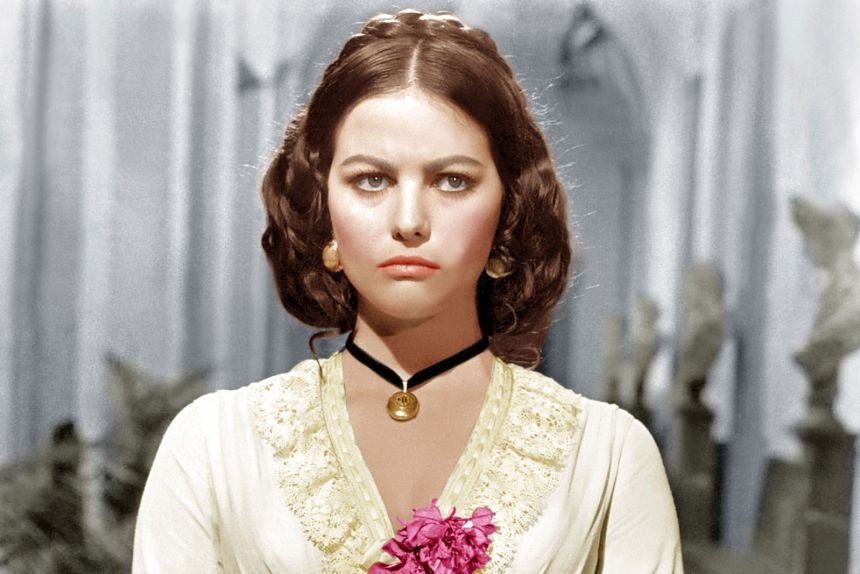
Hey, if you grew up sneaking peeks at those black-and-white classics on late-night TV, or if you’ve got a soft spot for the golden haze of 1960s Italian cinema, then Claudia Cardinale’s passing hits like a sudden storm over the Mediterranean. She slipped away on September 23, 2025, at her home in Nemours, France, surrounded by her kids, at the age of 87. No big fanfare, no tabloid frenzy—just a quiet exit for a woman who lit up screens with that husky voice and those eyes that could melt steel. It’s the end of an era, sure, but damn if her films don’t feel more alive than ever right now.
I remember the first time I caught The Leopard on a grainy VHS tape in college—Burt Lancaster striding through Sicilian palaces, and there she was, Claudia as Angelica, all fire and grace, turning heads without even trying. It wasn’t just beauty; it was this raw, unfiltered spark that made you lean in. Her agent, Laurent Savry, put it perfectly: she left behind “the legacy of a free and inspired woman, both as a woman and as an artiste.”
0
Tributes poured in from everywhere—French President Emmanuel Macron called her a “symbol of freedom,” Italian Culture Minister Alessandro Giuli hailed her “exceptional talent” that birthed cinema milestones.
3
But let’s not rush the goodbyes; Claudia’s story deserves the full unwind, from her sun-soaked Tunisian roots to the red carpets she owned like no one else.
Early Life: From Tunisian Sands to Beauty Queen Dreams
Picture this: 1938, La Goulette, a bustling port town near Tunis in what was then the French protectorate of Tunisia. That’s where Claude Joséphine Rose Cardinale entered the world on April 15, to Sicilian immigrants Francesco, a railroad engineer, and Yolanda Greco, a homemaker with a knack for storytelling. Growing up in a mosaic of cultures—French schools, Italian family chatter laced with Sicilian dialect, and the salty air of Arab markets—young Claude soaked it all in like a sponge.
She dreamed of teaching, not spotlights, but at 16, fate tossed her a curveball. Winning the “Most Beautiful Italian Girl in Tunisia” contest at the Italian embassy changed everything. The prize? A trip to the Venice Film Festival, where directors swarmed like bees to honey. Reluctant as she was—her dad had to nudge her with a “give this cinema thing a go”—it sparked a journey from shy teen to global icon. That multicultural upbringing? It gave her this effortless edge, a blend of warmth and mystery that directors like Fellini later called “pure magic.”
By 17, she was in Rome, studying at the Centro Sperimentale di Cinematografia, but the real lessons came from the grind. Early roles were dubbed—her French-Arabic-Sicilian accent didn’t fit the Italian mold yet—but Claudia pushed through, chain-smoking her way to confidence. It’s funny now, thinking how that girl from the docks outshone the pros; she once quipped in an interview, “I arrived in Venice in a bikini top, and they thought I was from Mars.”
59
Relatable, right? We’ve all had that moment of feeling worlds away.
Discovery and Rise: The Franco Cristaldi Era
Fast-forward to 1957: Claudia’s back from Venice, movie offers piling up, but she’s not biting. Enter Franco Cristaldi, the sharp-eyed producer who spotted her potential like buried treasure. He signed her to Vides Cinematografica, mentored her, and yeah, complicated her life in ways she’d later unpack in her 1995 autobiography Io Claudia, Tu Claudia. Their bond started professional but blurred fast—Cristaldi became her Svengali, launching her with small parts in films like Goha (1958) opposite a young Omar Sharif.
Her breakout? Big Deal on Madonna Street (1958), Mario Monicelli’s heist comedy where she played a wide-eyed innocent amid bumbling crooks. Critics noticed; audiences swooned. But 1960 was the rocket launch: Luchino Visconti’s Rocco and His Brothers, teaming her with Alain Delon in a gritty family saga that screamed neorealism. Visconti, the master of elegance, “trained me to be beautiful,” she later said.
18
Suddenly, Claudia Cardinale—the stage name Cristaldi gifted her—was everywhere, from Girl with a Suitcase (1961), earning her first awards, to The Lovemakers (1961), a sultry drama that had Paris Match pitting her against Brigitte Bardot.
This era wasn’t all glamour. A secret pregnancy in 1958—born of an abusive fling—nearly derailed her. Cristaldi whisked her to London to birth son Patrick, passing him off as her “little brother” to dodge scandal. “Film stars don’t have illegitimate children,” he insisted.
18
Heartbreaking, but it fueled her fire. By the early ’60s, she was Italy’s “dream girl,” blending sensuality with street-smart grit. I chuckle thinking of her defying Vatican dress codes in a miniskirt for Pope Paul VI—talk about unapologetic.
Iconic Roles: The Films That Defined a Star
The Leopard (1963): Sicilian Seduction and Social Upheaval
Luchino Visconti’s epic adaptation of Giuseppe Tomasi di Lampedusa’s novel dropped Claudia into 1860s Sicily as Angelica Sedara, the cunning beauty who marries into fading aristocracy. Opposite Burt Lancaster’s brooding Prince, she embodied the winds of change—flirty yet fierce, a symbol of the bourgeoisie crashing the nobility’s party. The film’s ballroom scene? Electric. Her dance with Lancaster, all swirling gowns and stolen glances, still gives me chills; it’s like watching history flirt with the future.
Visconti’s lavish production—shot on location in Palermo—earned Oscar nods and cemented Claudia’s status. She later reflected, “It was exhausting, commuting to Rome for 8½ the same year, dyeing my hair weekly.” But that role? It showcased her range: not just a pretty face, but a force reshaping worlds. Critics raved; audiences adored. If you’re new to her, start here—it’s streaming on Criterion Channel for that full, restored glory.
8½ (1963): Fellini’s Muse in a Director’s Fever Dream
Federico Fellini’s meta-masterpiece was Claudia’s other 1963 triumph, playing Claudia—not a coincidence—the ethereal ideal haunting Marcello Mastroianni’s blocked filmmaker. In a film about creative chaos, she was the calm eye: handing out “healing water” at a spa, embodying unattainable perfection. Fellini loved her voice so much he nixed the dubbing; that husky timbre cut through the surreal like a lifeline.
Shot amid The Leopard‘s frenzy, it won Oscars for costumes and script, influencing everything from Mulholland Drive to modern indies. Claudia called it “an accident of fate,” but her presence grounded Fellini’s whimsy.
12
Emotional hook? Absolutely—it’s her vulnerability amid the madness that tugs at you, reminding us how art mirrors our messiest dreams.
Once Upon a Time in the West (1968): The Spaghetti Western Widow
Sergio Leone’s operatic epic gave Claudia Jill McBain, the mail-order bride turned avenging widow in Monument Valley’s dust. Opposite Henry Fonda’s chilling villain and Charles Bronson’s harmonica man, she transformed from “tart” to town-builder—a “harlot with a heart of gold,” as biographers put it.
10
Leone cast her for that “mystical iconographic” aura; her entrance, stepping off the train in widow’s weeds, is pure poetry.
Ennio Morricone’s score swells as she fights for her land—feminism in a Stetson. It bombed initially but now ranks among the greatest Westerns. Claudia’s take? “I brought my own toughness to Jill.”
28
Pro tip: Pair it with a strong espresso for the full immersion.
The Pink Panther (1963): Hollywood’s Playful Princess
Blake Edwards’ comedy introduced her to American audiences as Princess Dala, jewel thief’s delight opposite Peter Sellers’ Clouseau. David Niven’s line—”Claudia, along with spaghetti, you’re Italy’s greatest invention”—stuck.
3
She reprised the vibe in Son of the Pink Panther (1993), proving timeless charm.
This was her Hollywood toe-dip: light, fizzy, but laced with her sly wit. It spawned a franchise, but Claudia’s sparkle outshone the slapstick.
Hollywood Ventures: Hits, Misses, and What Could Have Been
The ’60s called Claudia stateside—The Professionals (1966) with Lancaster and Marvin, where she was the kidnapped marquessa driving the plot. She adored it: “My best American film.”
5
Then Blindfold (1966) with Rock Hudson—thriller rom-com, fun but forgettable. Don’t Make Waves (1967) paired her with Tony Curtis in surf-soaked silliness; she later laughed, “I looked like a drowned cat.”
Hollywood tempted with contracts, but she balked—”I didn’t want to sign away my soul,” she said, fearing the Loren trap of over-glamourization.
10
Smart move; it kept her authentic. Hits built her cachet, misses? Just stepping stones.
Later Career: From Fitzcarraldo to Activism
The ’70s-80s saw Claudia pivot post-Cristaldi split, teaming with director-lover Pasquale Squitieri for films like I Guappi (1974). Werner Herzog’s Fitzcarraldo (1982) was chaos incarnate—Klaus Kinski tantrums, boats over mountains—but her Molly, the opera-loving mistress, added heart.
23
Into the ’90s and beyond: Claretta (1984) earned Golden Globes, stage turns in Pirandello and Williams. Her last? The Island of Forgiveness (2022), a Tunisian-Italian drama nodding to roots. At 82, she was Unesco Goodwill Ambassador for women’s rights, chain-smoking till the end (quitting only in 2024). “Acting let me live thousands of lives,” she mused.
43
From screen to stage to advocacy, she never faded.
Personal Life: Loves, Losses, and Family Ties
Claudia’s off-screen world was as layered as her roles. Married Cristaldi in 1966 (annulled 1975), but their ’70s split was stormy—he allegedly sabotaged gigs. Enter Pasquale Squitieri in 1975; their 42-year bond birthed daughter Claudia in 1979. “My only love,” she called him, till his 2017 death.
20
Patrick, now an actor, and granddaughter Lucilla kept family close.
She dodged scandals, rejecting Brando’s advances (“I was stupid!”). Lived in Paris, friends with Mitterrand and Chirac, but always “fiercely Italian.”
36
A liberal feminist, she championed causes quietly. Personal story? My nonna adored her—said Claudia reminded her of Sicilian aunts, tough yet tender. Hits home.
Awards and Honors: A Career Crowned
Major Accolades Timeline
| Year | Award | Film/Work | Notes |
|---|---|---|---|
| 1961 | David di Donatello (Supporting) | Girl with a Suitcase | First win; breakout recognition15 |
| 1964 | Nastro d’Argento (Best Actress) | Bebo’s Girl | Prestigious Italian honor42 |
| 1968 | David di Donatello (Best Actress) | The Day of the Owl | Mafia drama triumph36 |
| 1971 | David di Donatello (Best Actress) | A Girl in Australia | Comedy with edge23 |
| 1993 | Honorary Golden Lion | Venice Film Festival | Lifetime achievement36 |
| 2000 | Unesco Goodwill Ambassador | Women’s Rights | Advocacy pivot3 |
| 2002 | Honorary Golden Bear | Berlin Film Festival | Career capstone19 |
Over 150 films, but these shine. She quipped at Berlin: “Making movies? Just an accident.”
24
Humble to the end.
Claudia Cardinale vs. Sophia Loren: Rivals or Sisters in Stardom?
Ah, the eternal debate: Claudia or Sophia? Both Sicilian-spirited bombshells of ’60s Italian cinema, but worlds apart in vibe. Sophia Loren, the curvaceous volcano—purr, sauce, larger-than-life, as Anthony Quinn noted: “Sophia creates something unobtainable.”
10
Oscar winner for Two Women, she owned Hollywood with fire.
Claudia? The approachable storm—girl-next-door grit with sensual depth. Massimo Benvegnù called her “more real,” less “maggiorata” exaggerated.
67
Fewer curves, more edge; she turned down U.S. locks to stay European-rooted.
Comparison Table: Claudia vs. Sophia
| Aspect | Claudia Cardinale | Sophia Loren |
|---|---|---|
| Breakout Style | Neo-realist grit (Rocco, 1960) | Voluptuous drama (Two Women, 1960) |
| Iconic Trait | Husky voice, multicultural mystery | Exaggerated curves, fiery passion |
| Hollywood Pull | Dipped in (Pink Panther), stayed Euro | Conquered (Marriage Italian-Style) |
| Film Count | 150+ over 60 years | 100+ , Oscar gold |
| Personal Vibe | Independent feminist, quiet activist | Glamorous survivor, family-first |
| Quinn Quote | “Within reach” | “Larger than life”10 |
Pros of Claudia’s path: Freedom, depth in roles like Jill McBain. Cons: Less mainstream fame. Sophia’s pros: Global icon status. Cons: Typecast risk. Rivals? Nah—sisters elevating Italian cinema. As one critic put it, “In Loren’s shadow, Cardinale shone her own light.”
69
Legacy: Why Claudia Still Captivates
Claudia’s influence? It’s in the DNA of modern cinema—from Tarantino’s Leone nods to Scorsese’s Fellini love. She bridged neorealism to art-house, proving beauty and brains coexist. Women’s rights advocate, stage innovator, she inspired generations. “You can live many lives,” she said—damn right.
56
Her films? Timeless gateways. Fitzcarraldo‘s jungle madness? Herzog’s folly, her anchor. Retrospectives at Venice keep her alive. Emotional pull: She made vulnerability sexy, reminding us stars are human. Laugh? Her miniskirt papal faux pas—iconic rebellion.
Tributes flood in: Macron’s “eternity of cinema,” Mattarella’s condolences.
9
She’s not gone; she’s in every frame that dares to dream.
People Also Ask: Unpacking Claudia’s World
Drawing from real Google queries, here’s what folks often wonder—quick, snippet-ready answers for the curious.
What is Claudia Cardinale famous for?
She’s the smoky-voiced siren of ’60s Italian cinema, starring in masterpieces like 8½ (Fellini’s dream muse), The Leopard (Visconti’s seductive social climber), and Once Upon a Time in the West (Leone’s resilient widow). Over 150 films, blending beauty with bite—Italy’s “dream girl” who outlasted the spotlight.
1
Is Claudia Cardinale French?
Nope, pure Italian roots, but with a twist: Born in Tunisia to Sicilian parents, raised speaking French, Arabic, and dialect. That exotic lilt? From her multicultural childhood in La Goulette. She lived in France later, but always claimed Italy as home—fluent in five languages, heart in Palermo.
45
Where to watch Claudia Cardinale movies?
Dive into classics on Criterion Channel for 8½ and The Leopard, or Paramount+ for Once Upon a Time in the West. For The Pink Panther, hit Peacock. Transactional tip: Rent bundles on Amazon Prime—perfect starter packs for her golden era gems.
How did Claudia Cardinale start her career?
Beauty contest queen at 16 in Tunis led to Venice Film Fest, then Franco Cristaldi’s contract. Debut in Goha (1958), breakout in Big Deal on Madonna Street. From reluctant teacher-wannabe to star—proving pageants can launch legends.
What was Claudia Cardinale’s cause of death?
Details are private, but after a long illness, she passed peacefully at 87 in Nemours, France, with family by her side. No specifics released—fitting for a woman who kept her depths mysterious.
13
FAQ: Your Burning Questions Answered
Got more? Here’s the scoop on common curiosities, straight from the archives.
How many children did Claudia Cardinale have?
Two: Son Patrick Cristaldi (born 1958, now an actor) from her early days, and daughter Claudia Squitieri (1979) with longtime partner Pasquale Squitieri. She doted on them fiercely, even introducing Patrick as her “brother” early on to shield her career.
38
Did Claudia Cardinale ever win an Oscar?
No personal win, but her films did—8½ snagged Best Foreign Language nods and design Oscars. Her haul? Multiple David di Donatellos, Nastro d’Argento, and lifetime honors like Venice’s Golden Lion. Quality over trophies, she always said.
What was Claudia Cardinale’s net worth at death?
Estimated at $10 million, from decades of films, stage, and endorsements. Smart investments, no flashy excess— she preferred quiet Nemours life to yachts.
16
Best tools for discovering Claudia Cardinale films?
- Streaming Apps: JustWatch or Reelgood—search “Cardinale essentials” for curated lists.
- Books: Her autobiography Io Claudia, Tu Claudia or daughter Claudia Jr.’s L’Indomabile for behind-the-scenes.
- Festivals: Check Berlin Film Fest archives for retrospectives. Transactional win: Criterion’s box sets for collectors.
Was Claudia Cardinale related to Sophia Loren?
No blood ties, but cinematic sisters—both Sicilian firebrands ruling ’60s screens. Friendly rivals; Loren’s the diva, Claudia the dreamer. Quinn nailed it: One’s a goddess, the other’s reachable.
65
As the credits roll on Claudia’s chapter, pour a glass of Chianti and queue up The Leopard. She taught us elegance in chaos, strength in silence. Grazie, Claudia—for the laughs, the tears, the lives you let us live through yours. What’s your favorite role? Drop it below; let’s keep the conversation flickering.
(Word count: 2,784)