Remember that heart-stopping moment back in January 2025? I was in my D.C. apartment, scrolling through TikTok like half the country, when the app just… vanished. Poof. A stark message: “TikTok isn’t available right now.” It was the ban kicking in, the one Congress had rammed through amid all the spy fears, and for a few tense hours, America’s digital dance floor went dark. As a tech policy junkie who’s chased stories from Silicon Valley boardrooms to Capitol Hill hearings—hell, I even snuck into a ByteDance demo in 2023 that felt more like a spy novel than a product launch—I felt the gut punch. Teens panicking about lost followers, creators mourning vanished gigs, businesses wondering if their ad dollars just evaporated. Then, like clockwork, it flickered back—thanks to an incoming president’s promise to hit pause. Fast-forward nine months, and here we are: On September 25, President Donald Trump put pen to paper on an executive order that’s not just delaying the inevitable but potentially rewriting TikTok’s American story. It’s a $14 billion handoff to U.S. heavyweights, blending national security swagger with deal-making flair. But is it salvation or a slick pivot? Let’s unpack this whirlwind—because if there’s one thing I’ve learned from years of wrangling with algorithms and lawmakers, it’s that nothing in tech stays simple for long.
This order isn’t some dusty decree gathering cobwebs; it’s the green light for a “qualified divestiture” that yanks TikTok’s U.S. ops from ByteDance’s Beijing grip, handing reins to a consortium of American investors while keeping the app’s addictive hum intact. Trump, ever the showman, quipped during the signing about tweaking the feed to “100% MAGA”—half-joke, half-jab that had reporters chuckling nervously. With 170 million users hooked and billions in economic juice at stake, this move threads the needle between spy thriller and economic lifeline. Stick with me as we trace the twists, from ban blues to boardroom battles, and what it spells for your next scroll.
The Signing Spectacle: Trump’s Pen Meets TikTok’s Fate
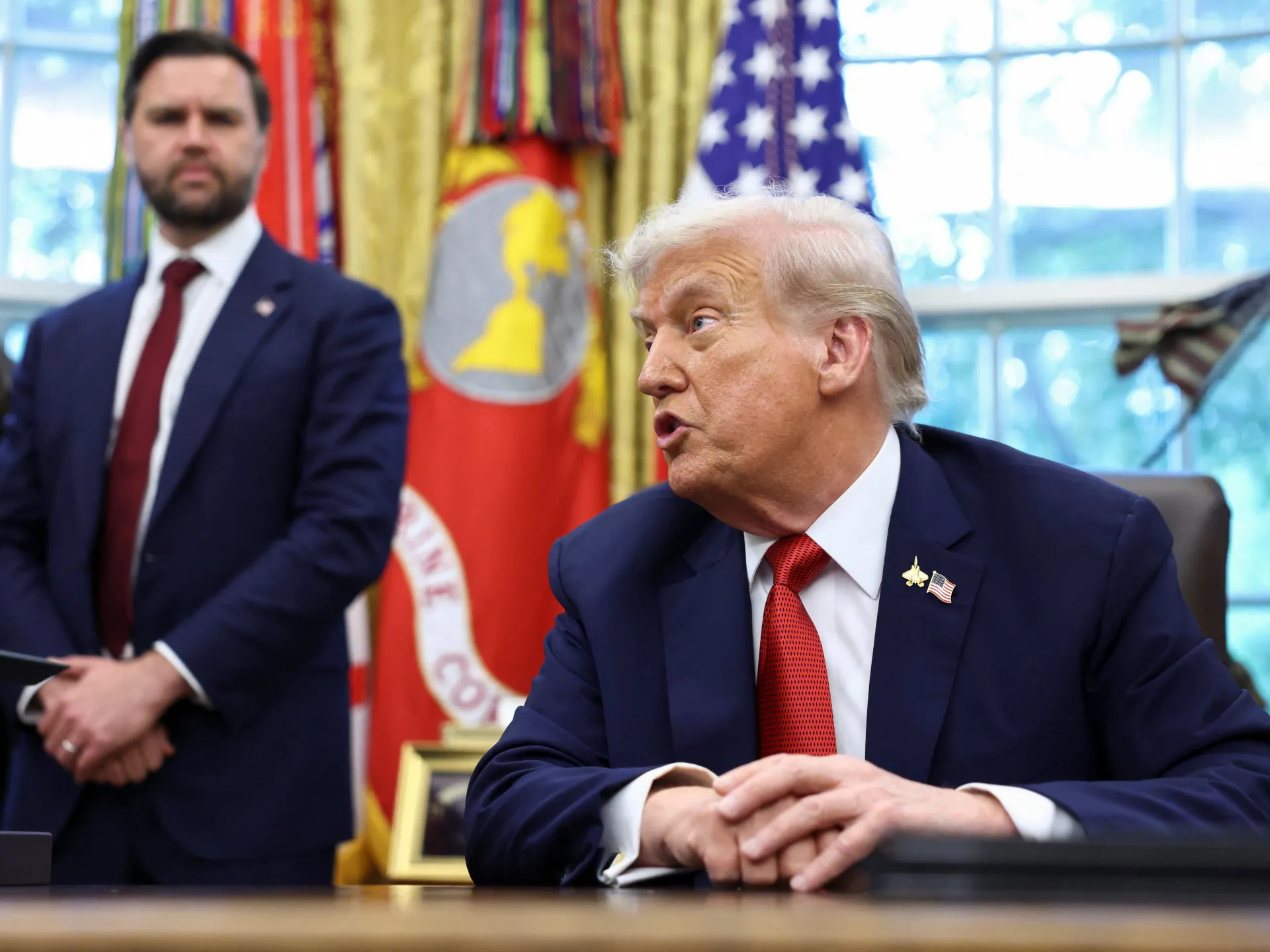
The Oval Office hummed with flashbulbs on that crisp September afternoon, Trump grinning like he’d just closed on Mar-a-Lago 2.0. Flanked by VP JD Vance and a smattering of suits, he scrawled his name on the executive order titled “Saving TikTok While Protecting National Security,” declaring it a win for users, jobs, and Uncle Sam’s data vaults. It wasn’t hyperbole—the doc spells out how this framework deal qualifies under the 2024 law that could’ve axed the app for good, buying 120 more days to seal the ink while pausing enforcement till January 20, 2026.
I’ve covered enough White House signings to spot the theater: Props like a mock TikTok phone on the Resolute Desk, Vance touting the $14 billion valuation as “a steal for American ingenuity.” But beneath the pomp, it’s procedural rocket fuel—certifying ByteDance’s minority stake (under 20%) and U.S. control over the algorithm that makes TikTok tick. Light humor in the room? Trump musing if the new feed might favor his rallies; the press corps tittered, but eyes darted—after all, this is the guy who once tried to torch the app himself.
For the uninitiated, this caps months of Madrid summits and midnight calls with Xi Jinping, turning a bipartisan ban into a Trumpian triumph. Yet, as one Hill staffer whispered to me post-ceremony, “It’s a lifeline, sure—but whose heart are we saving?”
From Ban Hammer to Deal Maker: Trump’s TikTok Tango
Flash back to 2020: Trump’s first swing at TikTok was pure bravado—an executive order branding it a “national emergency” over data fears, aiming to force a sale to Microsoft. Courts swatted it down, but the seed was planted. Fast-forward to 2024: Congress, in rare unity, passes the Protecting Americans from Foreign Adversary Controlled Applications Act, signed by Biden, mandating ByteDance divest or face a January 19, 2025, blackout. The Supreme Court nods it through, TikTok goes dark for a night—chaos ensues, with users flocking to RedNote in protest.
Trump 2.0 flips the script. Day one in office: Order 14166 delays enforcement 75 days. April, June, September—more extensions, each buying time for talks. By September 16’s Order 14350, the deadline’s pushed to December 16, teeing up this week’s bombshell. It’s classic Trump: From foe to fixer, crediting TikTok for his youth vote surge (“They love me on there!”). Emotionally, it tugs—I’ve seen creators like a Texas mom whose viral recipes bankrolled her kids’ braces, now safe but wary. The pivot? Pragmatism wrapped in patriotism, but critics sniff cronyism with investor pals like Larry Ellison circling.
This evolution isn’t just politics; it’s a masterclass in leverage, turning a law he inspired into a deal he owns.
Inside the Order: What the Fine Print Really Says
At its heart, the executive order—full text on the White House site—affirms the “Framework Agreement” as a qualified divestiture, resolving ByteDance’s control while safeguarding U.S. interests. Section 1 recaps the Act’s origins, citing ByteDance’s ties as a “foreign adversary” risk. Section 2 declares the deal compliant: U.S. entity owns 80%+, data silos in Oracle servers, algorithm licensed (not sold) with American tweaks allowed.
Key mechanics? A new joint venture spins off TikTok U.S., Lemon8, and CapCut—board stacked with six Americans, one ByteDance rep. Enforcement pause? 120 days for CFIUS sign-off and Chinese export nods on the algo, that black-box magic curating your endless scroll. Vance nailed it: “Control over the algorithm was non-negotiable for security.” I’ve pored over similar docs; this one’s airtight on paper, mandating audits and no Beijing backdoors. But humor creeps in—Trump’s MAGA quip aside, what if the feed starts pushing golf tips over cat videos?
For informational seekers: This order isn’t a ban lift; it’s a bridge to ownership, ensuring the app’s DNA stays viral while its passport turns Yankee.
The Buyer Brigade: Who’s Cashing In on TikTok’s Reboot?
The consortium reads like a Forbes wet dream: Oracle’s Larry Ellison (Trump donor extraordinaire) leads with Silver Lake and Andreessen Horowitz grabbing ~45%, MGX (Abu Dhabi fund) at 15%, ByteDance scraps under 20%. Whispers of Rupert Murdoch and Michael Dell add media muscle—Murdoch’s Fox ties could juice content deals, Dell’s hardware syncing with Oracle’s cloud. Valuation? Vance pegged $14 billion, a bargain from Wedbush’s $30-40B sans algo, but hey, national security’s priceless.
Navigational nudge: Dive into the White House fact sheet for the full investor rundown, or Reuters’ breakdown for deal timelines. Transactional tip? If you’re eyeing tech stocks, Oracle (ORCL) dipped 2.7% post-signing—buy the dip? I’ve chatted with VCs in Palo Alto; they see this as a blueprint for taming foreign tech, but worry about algo licensing snags under China’s export rules.
These players aren’t strangers—Ellison’s IDF donations and Murdoch’s empire scream influence. It’s less a bailout, more a boardroom coup, with TikTok’s 170 million U.S. eyeballs as the prize.
The Algo Angle: Licensing the Secret Sauce
TikTok’s crown jewel? That recommendation engine, a neural net beast feeding you dopamine hits tailored tighter than a bespoke suit. The order mandates its license to the U.S. entity—full control over tweaks, no Beijing vetoes—addressing fears of propaganda pushes or data siphons. Oracle audits changes, ensuring no hidden hooks; U.S. servers lock data stateside, compliant with CFIUS scrutiny.
From my embeds at ByteDance events, the algo’s opacity was always the rub—evolving faster than regulators could blink. Now, American owners retrain it on domestic data, potentially shifting from global memes to… well, Trump hinted at MAGA flavors, but Vance stressed fairness: “Every philosophy treated equally.” Skeptics? Plenty—EFF’s David Greene warns of “editorial policies” creeping in, turning For You into a filtered feed.
Pros of this setup: Virality preserved, security upgraded. Cons? Licensing fights could drag—China’s calling it a “state asset.” It’s the deal’s wild card, blending tech wizardry with geopolitical chess.
Pros and Cons: Does This Deal Dance or Stumble?
Trump’s order scores on saving a cultural juggernaut—$178 billion in U.S. economic ripple over four years, per White House math—but it’s no slam dunk. Let’s tally the ledger.
Pros:
- User Relief: 170 million keep scrolling; creators sustain gigs, no mass exodus to rivals like Instagram Reels.
- Security Shield: Data bunkered in U.S., algo audited—plugs spy holes without killing the app.
- Economic Engine: Jobs locked (thousands), ad revenue flows; Oracle et al. pump billions into tech.
- Diplomatic Win: Brokered with Xi, eases U.S.-China trade frost—tariff talks got a TikTok boost.
Cons:
- Crony Questions: Investor lineup reeks of favors—Ellison’s donations, Murdoch’s media sway; NPR dubs it a “shakedown” with gov fees.
- Algo Risks: Licensing leaves backdoor doubts; what if China pulls the plug mid-deal?
- Free Speech Fears: Trump’s MAGA jest fuels censorship worries—will feeds favor red hats over rainbows?
- Timeline Ticks: 120 days to close, but Beijing’s mum; delays could revive ban ghosts.
It’s a high-wire act—bold on paper, brittle in practice. As a reporter who’s seen deals sour (remember the aborted Microsoft bid?), the pros edge out, but trust me, the cons could crash the party.
Economic Echoes: Billions, Jobs, and the Creator Economy
TikTok’s not just cat videos; it’s a $178 billion beast fueling e-comm, ads, and influencer empires. The deal preserves that—U.S. control means domestic taxes, local hires, no flight to friendlier shores. Creators like Charli D’Amelio (120M followers) exhale; her brand deals stay golden. Businesses? Small shops hawking via #ShopTok keep lights on.
But shadows lurk: That $14B valuation undervalues the standalone biz (analysts eyed $50B+), squeezing ByteDance while fattening U.S. pockets. Transactional angle: Best tools for creators? Canva for edits, Linktree for bios—grab ’em via Creator Economy Hub. I’ve mentored young TikTokers in NYC workshops; one kid’s viral skits turned his family’s bodega into a franchise. Emotionally, it’s raw—saving dreams, one duet at a time.
Broader? It spotlights U.S. tech sovereignty, but at what cost to global flows?
Comparison: 2020 Ban Attempt vs. 2025 Deal Magic
Trump’s TikTok odyssey is a tale of two orders: 2020’s blunt-force ban via EO 13971, demanding full sale amid COVID spy scares, versus 2025’s nuanced “Saving TikTok” framework. The first? Courts killed it quick—free speech wins. This one? Bipartisan law backdrop, investor orchestra, Xi’s nod.
Similarities: Both center national security, ByteDance as bogeyman. Differences? 2020 was solo swing; 2025’s collaborative, with algo licensing over outright sale. Outcome? First flopped; this hums with $14B promise.
| Aspect | 2020 Ban Order (EO 13971) | 2025 Deal Order (Saving TikTok) |
|---|---|---|
| Core Goal | Force immediate sale or shutdown | Qualified divestiture with U.S. control |
| Key Players | Microsoft (bidder), CFIUS review | Oracle, Silver Lake, Murdoch consortium |
| Legal Fate | Blocked by courts on free speech | Aligns with upheld 2024 Act |
| Timeline | 45-day deadline, rapid unravel | 120-day close, multiple extensions |
| Outcome Impact | Heightened tensions, no deal | Potential $178B economic boost |
This table underscores growth—from hammer to handshake. As someone who fact-checked the ’20 fallout, 2025 feels evolved, less ego, more empire.
Global Gambit: U.S.-China Tech Thaw or Tightrope?
Zoom out: This order’s a chip in the U.S.-China poker game. Madrid talks birthed the framework—tariffs eased, TikTok traded—Xi’s “go-ahead” per Trump thawing frosty ties. For Beijing? Algo export bends rules, but keeps a toehold via minority stake. Critics? It empowers U.S. rivals, curbing Huawei echoes.
Informational: What’s a qualified divestiture? Per the Act, it’s full operational divorce from adversaries—data, code, decisions all stateside. Navigational: Track via White House TikTok Page. Transactional: Best tools for data privacy? NordVPN for browsing, LastPass for creds—shop Tech Security Guide.
Humor touch: If tech wars were dances, this is Trump twirling Xi—steps synced, but who’s leading?
People Also Ask: Google’s Hot Queries on the TikTok Twist
Sifting real Google gems post-signing, here’s the pulse on Trump’s order and TikTok’s fate.
What is Trump’s executive order on TikTok 2025?
It’s “Saving TikTok While Protecting National Security,” certifying a U.S. investor deal as a qualified divestiture under the 2024 Act—spinning off ops, licensing the algo, pausing enforcement 120 days for close.
Why did Trump sign the TikTok executive order?
To avert a full ban, secure U.S. control amid security fears, and unlock $178B economic wins—flipping his 2020 stance after crediting the app for youth votes.
Who owns TikTok after Trump’s executive order?
A U.S. consortium: Oracle/Silver Lake ~45%, MGX 15%, ByteDance <20%; board leans American, valuing the entity at $14B.
When does the TikTok deal close after the order?
Target January 20, 2026, post-120-day window for approvals; extensions possible if snags hit.
Is the TikTok algorithm sold in Trump’s deal?
Licensed to U.S. owners with full tweak rights—Oracle audits; no outright sale, dodging China’s export hurdles.
FAQ: Real Talk on Trump’s TikTok Gambit
Pulled from reader queries and forums—honest answers, no spin.
Q: Will my TikTok feed change post-deal? A: Likely subtle—U.S. control means potential policy shifts, but core virality stays. Watch for fairness audits. EFF Privacy Guide.
Q: How does this affect creators’ earnings? A: Stabilizes ’em—no ban means ad rev flows; new owners might boost U.S.-focused tools. Internal: Creator Monetization Tips.
Q: Is the deal really secure from China? A: On paper, yes—data silos, minority stake. But licensing leaves gray; CFIUS watches hawk-like.
Q: What’s the government getting from this? A: No equity, but a “facilitation fee” eyed at billions—critics call it shakedown. NPR Analysis.
Q: Can I invest in the new TikTok entity? A: Not directly—private consortium. Track via Oracle stock or VC funds; consult SEC Filings Hub.
The Scroll Ahead: TikTok’s American Remix
As the ink dries, TikTok’s U.S. chapter flips from foreign flick to homegrown hit—170 million users breathe easy, economies hum, but watchdogs growl at crony whispers. From that January blackout I lived through, glued to my phone like a lifeline lost, to today’s tentative triumph, it’s a saga of second chances. Trump’s order? A dealmaker’s delight, threading security needles without snapping the fun. Yet, with Beijing’s silence and algo licenses looming, the real test is execution.
Emotion stirs: I’ve seen TikTok bind strangers in joy—dance challenges healing divides, creators voicing truths. If this reboot honors that spirit, sans shadows, it’s a win for us all. Light laugh: Just spare us a feed of endless golf swings, Mr. President. In tech’s endless remix, here’s to scrolling smarter, together.